Technology & materials
Bio-based biopolymers, not polyethylene
ViroMelt's products are made from bio-based biopolymers designed to biodegrade through biological processes rather than simply fragment. We describe their performance against recognised standards, without overstating environmental claims.
Technology & materials
Biopolymer materials, engineered for real-world use
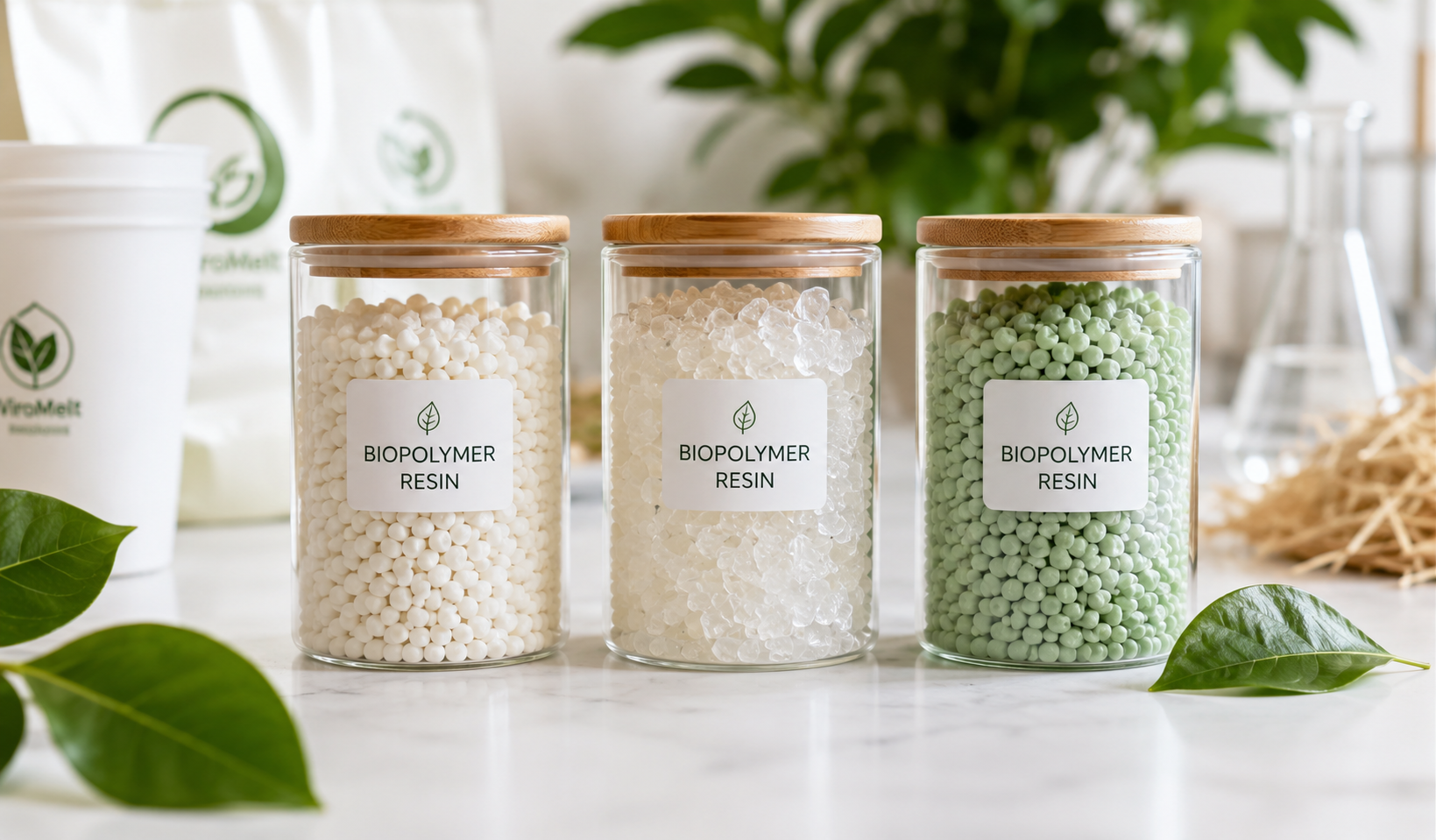
ViroMelt develops compostable and biodegradable product solutions using carefully selected biopolymer-based materials and approved additives. Each material grade is selected according to product format, required durability, flexibility, processing method, and intended end-of-life pathway.
Compostability and biodegradability are product-specific and depend on formulation, product format, disposal environment, and applicable certification standards.
Material Selection
Formulations are chosen based on the product's application, required strength, flexibility, processing method, and intended disposal environment.
Performance Engineering
Our materials are designed for commercial usability — from shopping bags and films to straws, plates, and food-service products.
Validated End-of-Life
Product claims are made according to applicable standards and certification scope, helping customers understand how each product should be used and disposed of.
The science, visualised
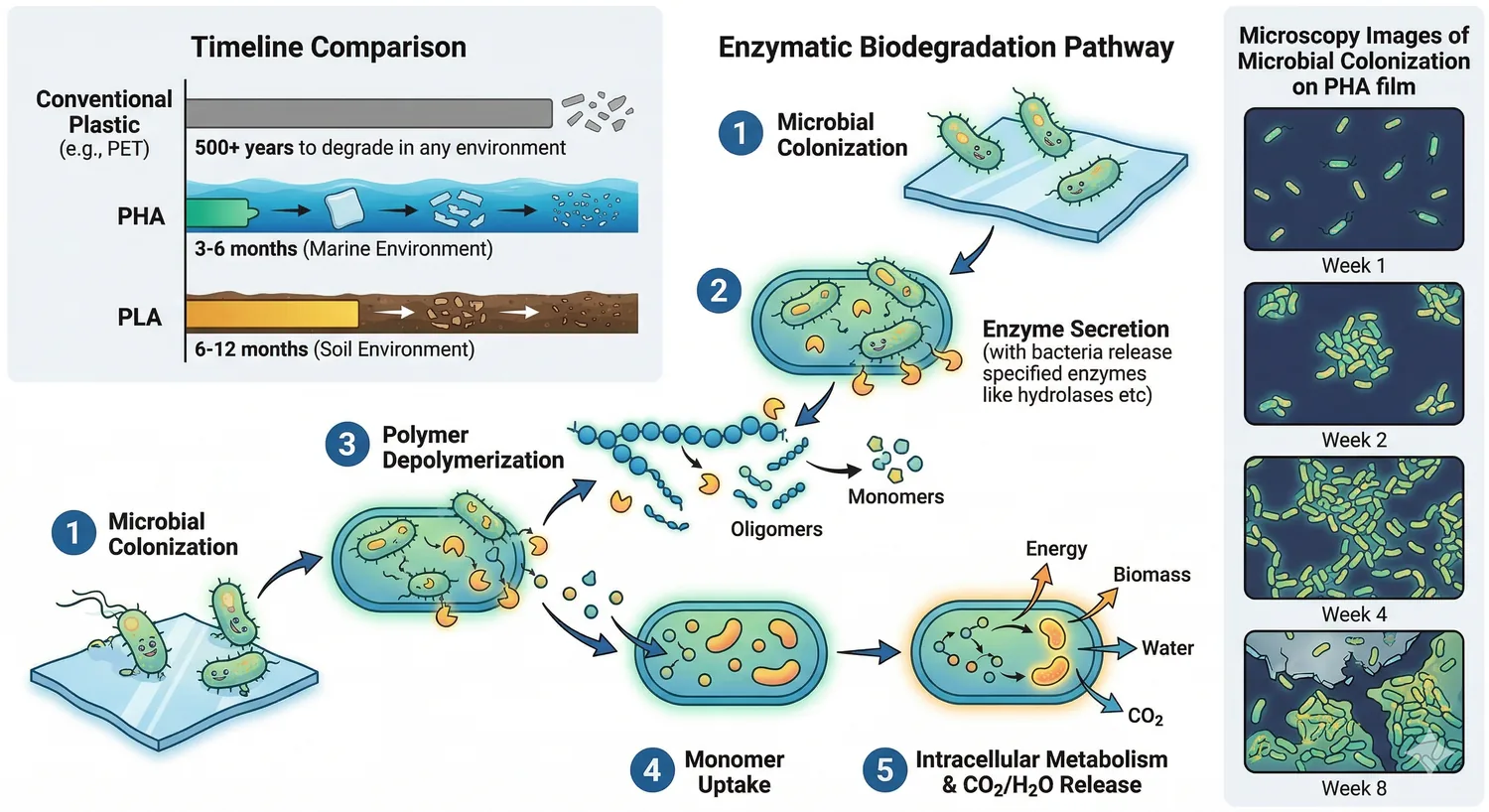
From polymer to natural compounds
Under appropriate conditions, ester bonds are broken by enzymes and microbes, mineralizing the material to CO₂, water and biomass — biological degradation, not physical fragmentation.
How ViroMelt works
A controlled process, from certified inputs to delivery
Every product follows the same disciplined path — local manufacturing, product-specific material selection, and documented quality control.
- 01
Certified material inputs
Material inputs are sourced with certification documentation under applicable standards.
- 02
Product-specific material selection
Material grade is selected per product according to application, performance and intended end-of-life pathway.
- 03
Local manufacturing in Oman
Production runs at our facility in Samail Industrial City, building domestic manufacturing capacity.
- 04
Quality control and documentation
Finished products are checked under defined quality-control procedures, with supporting documentation.
- 05
Distribution to businesses and institutions
Products are supplied to retailers, distributors, foodservice operators and institutions across Oman and the region.
- 06
Future local bio-based feedstock pathway
A staged programme to develop locally sourced bio-based feedstocks from agricultural residues — subject to validation and investment.
Clarifications
Compostability, described carefully
What does “compostable” mean here? +
Compostable refers to a material's ability to break down under defined composting conditions within a given timeframe, as assessed against standards such as EN 13432, ASTM D6400 or ISO 17088. It is a performance characteristic under specific conditions, not a general environmental claim.
How is this different from oxo-degradable or “biodegradable” plastic? +
Oxo-degradable plastics fragment into microplastics but remain plastic. ViroMelt's materials are designed to mineralize to natural compounds under appropriate conditions, rather than fragment.
Where do the materials come from? +
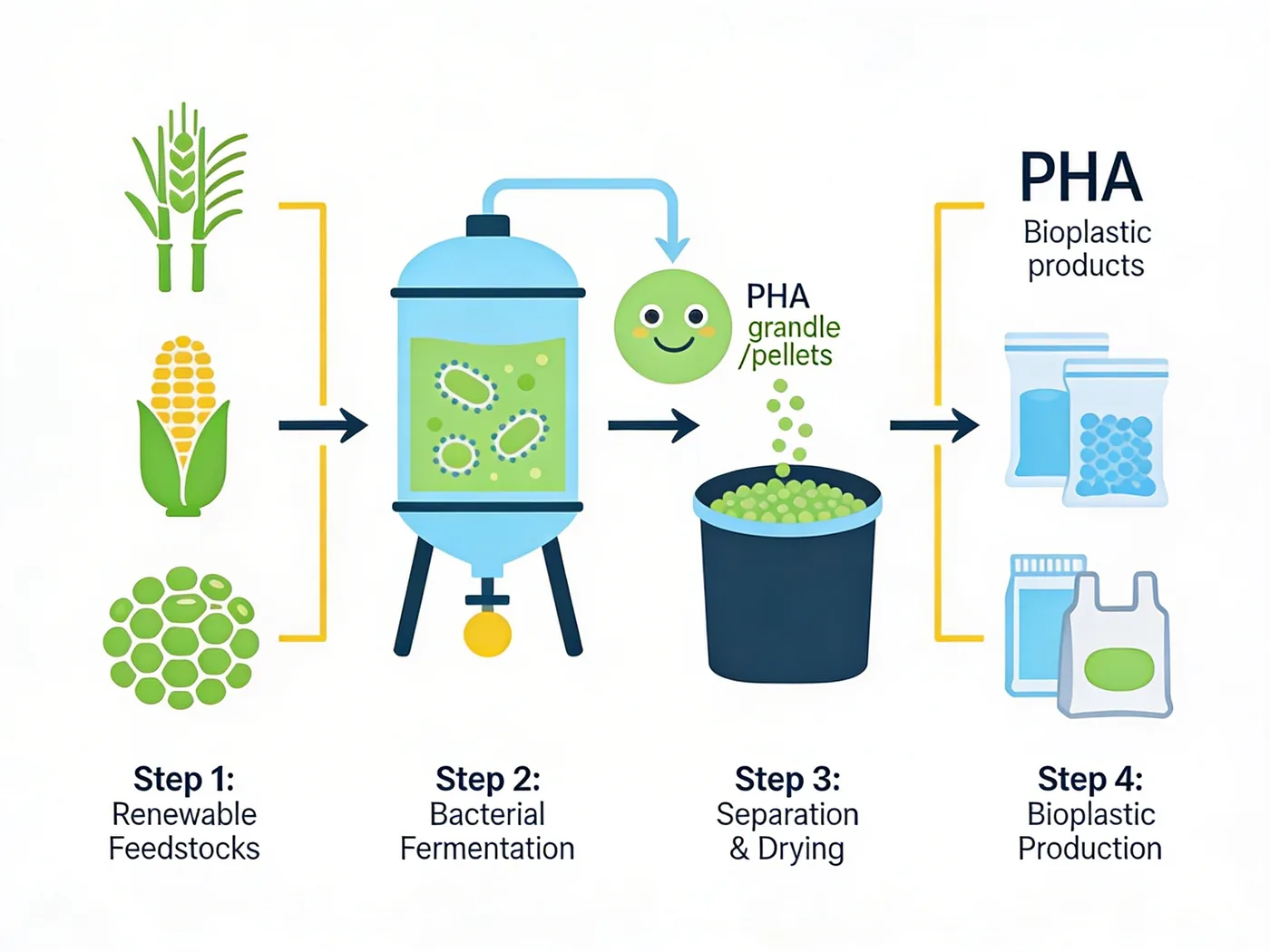
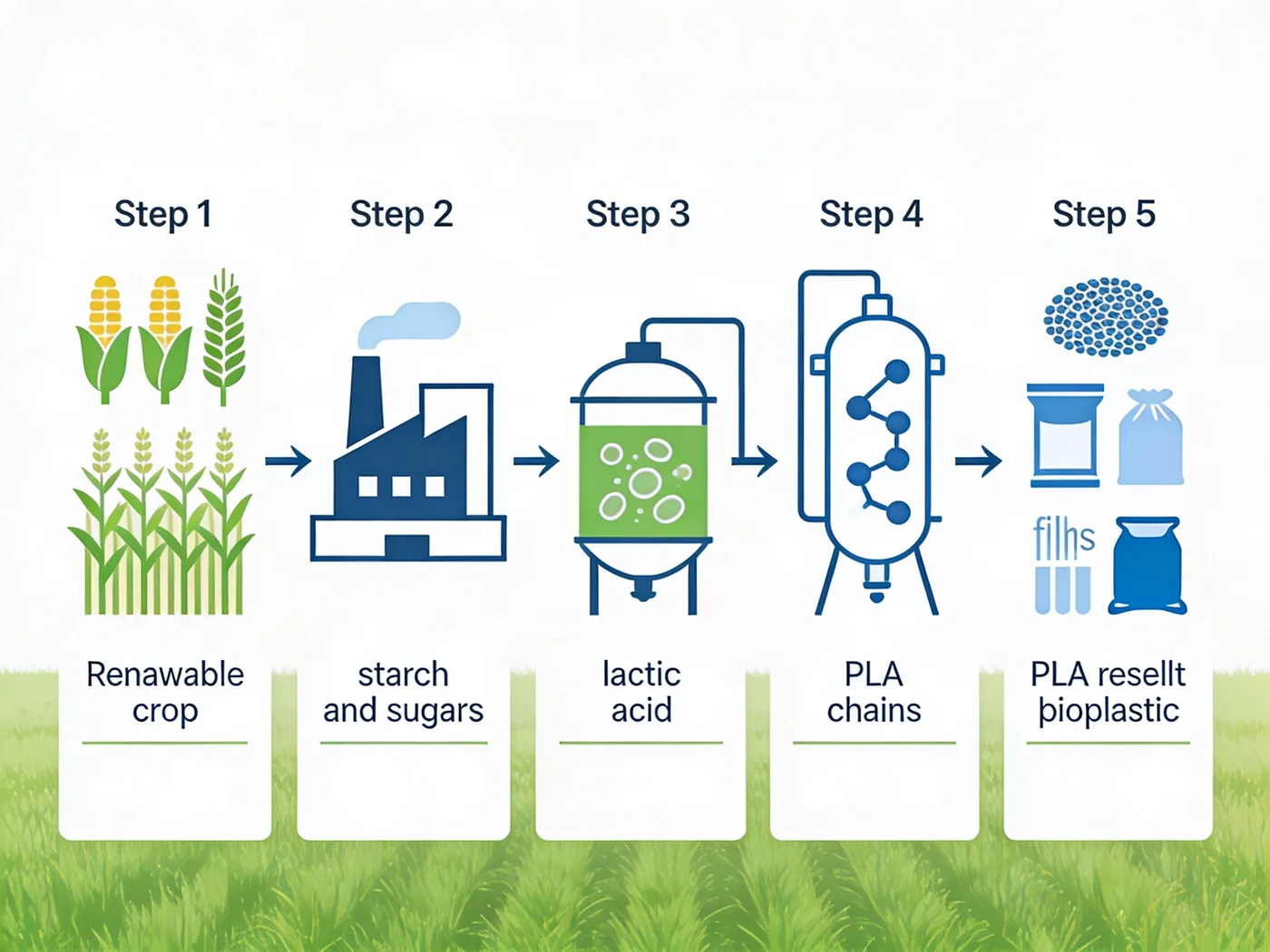
In Phase 1 we use certified compostable polymer compounds developed with our technology partner, supplied with certification documentation. Phase 2 aims to develop locally sourced bio-based feedstocks from agricultural residues over time.
Have a technical question?
We're happy to discuss material suitability, standards and product specifications.