Sustainability
A measured approach to a real problem
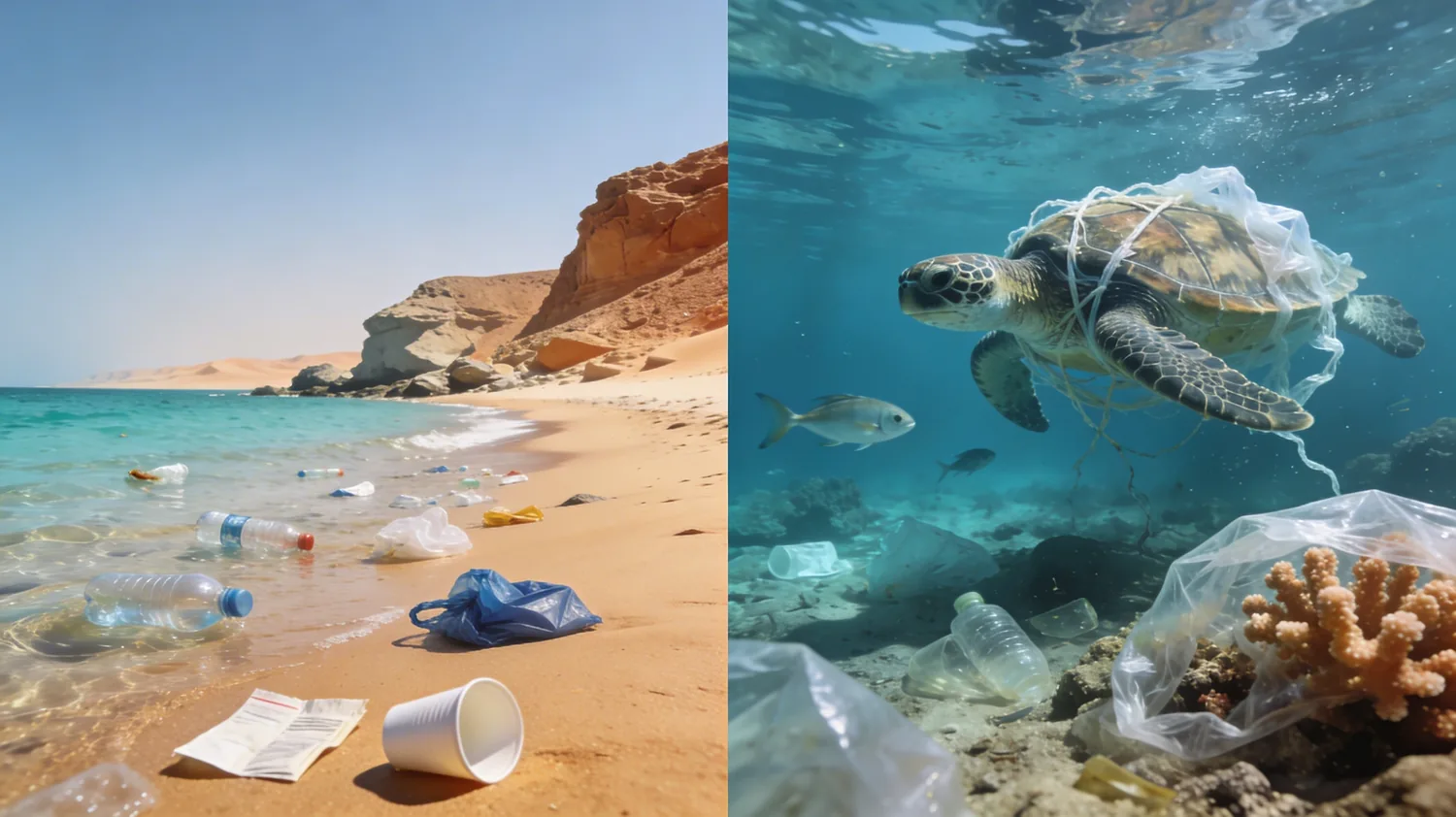
Oman faces a significant single-use polyethelene-based plastic challenge. ViroMelt's response is focused and concrete: compostable ECO friendly products manufactured locally, described accurately, supporting the national transition away from conventional single-use plastics.
The challenge
Oman's single-use plastic burden
The scale of the problem is well documented. These figures frame why credible, locally made alternatives matter.
2.3Mt/yr
Total solid waste in Oman
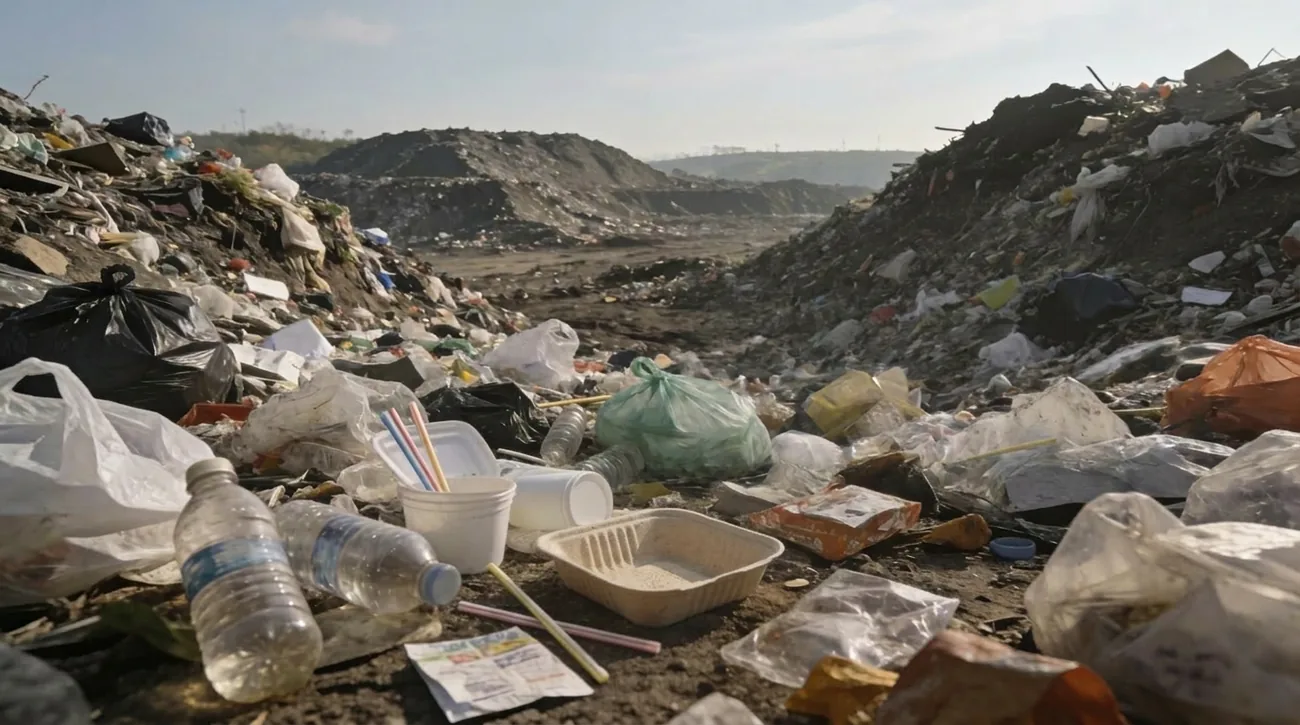
Heavily burdened by single-use plastics that end up in landfill.
111kg/person
Mismanaged plastic
Among the highest per-capita rates in the region.
6kg/person
Ocean leakage
A direct threat to Oman's coastline, fisheries and tourism.
$1.3B
Economic opportunity
Potential value from circular alternatives.
Why existing alternatives fall short
Not all “alternatives” actually biodegrade
Two of the most common substitutes on the market today do not solve the underlying problem.
Oxo-degradable plastics
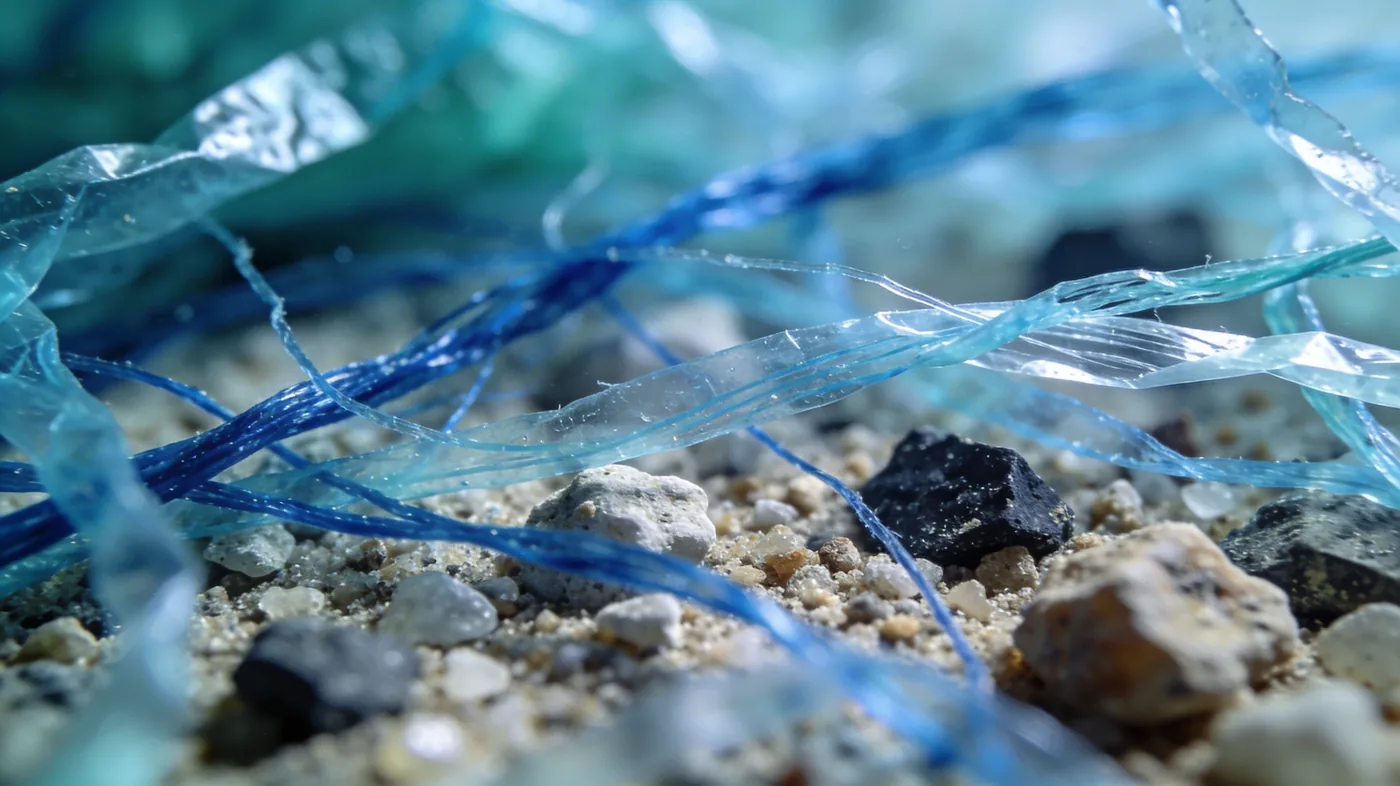
UV and heat break these plastics into smaller fragments — but they remain plastic. Resulting microplastics (<5 mm) can persist for centuries. The EU banned oxo-degradable plastics under Directive 2019/904.
Non-woven (PP) bags
Made from polypropylene — the same petrochemical family as banned polyethylene. PP does not biodegrade and studies indicate non-woven bags need many reuses to offset their footprint, while real-world reuse is typically only a few times.
ViroMelt's products are based on bio-based biopolymers — chemically distinct from conventional polyethylene plastics. Biodegradation and compostability depend on the material, product format and disposal environment, and are assessed against applicable standards and certifications.
Vision 2040
Touching five national pillars
ViroMelt's model aligns with multiple objectives of Oman Vision 2040 at once.
Economic diversification
A new non-oil manufacturing sector, and a domestic biopolymer manufacturer.
Environmental sustainability
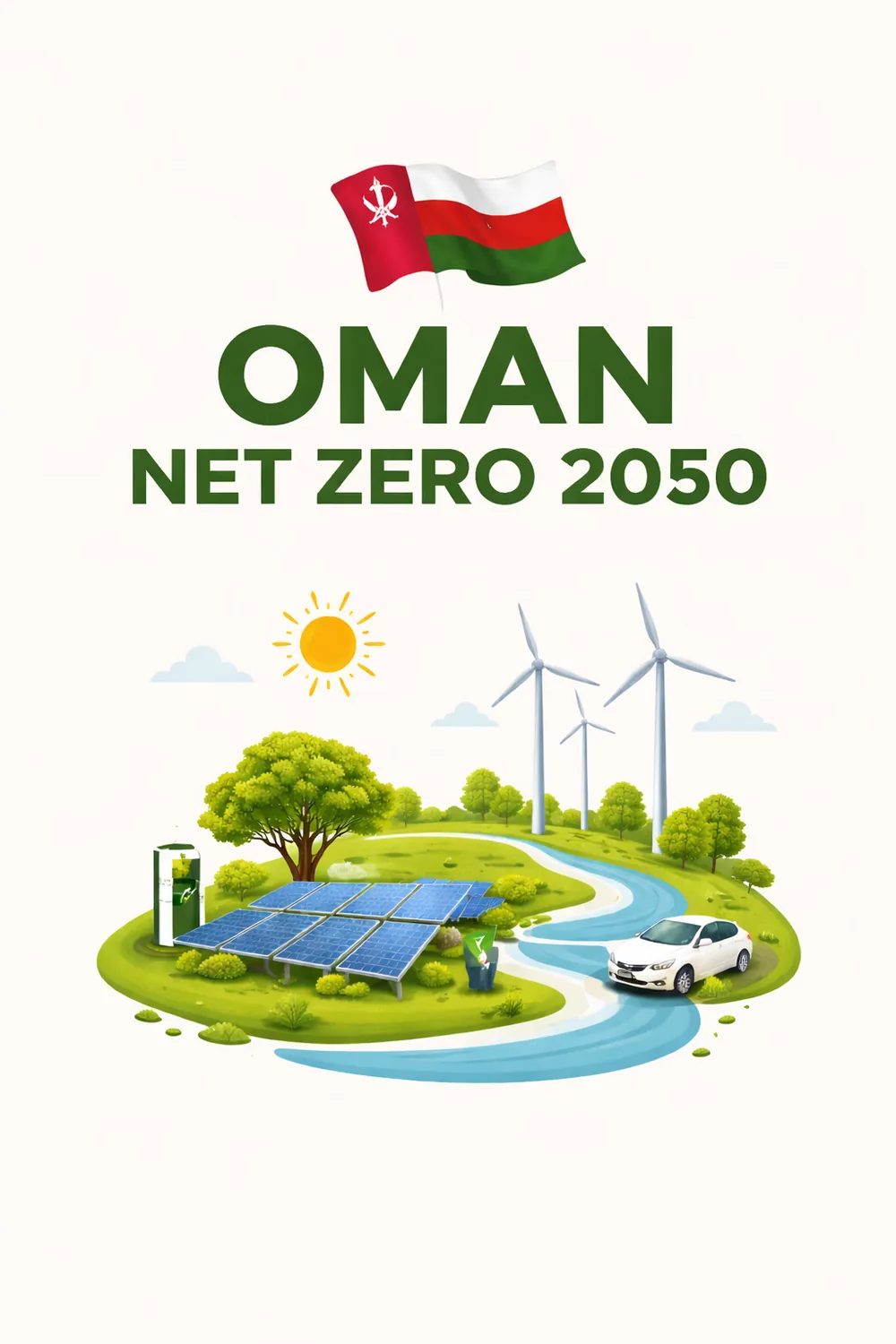
Supports Net Zero 2050 ambitions; Phase 2 aims to convert agricultural waste into value.
Private sector & investment
Built on private foreign investment, signalling Oman's appeal to green-tech investors.
Human capital
Skilled roles and training programmes developing Omani industrial capabilities.
Innovation & technology
Technology transfer and university R&D collaboration to build local know-how and IP.
Net Zero 2050
Designed with a lower footprint in mind
- Bio-based, not petroleum-based — reducing reliance on fossil-derived raw materials versus conventional plastics.
- Lower processing temperatures — biopolymers are processed at materially lower temperatures than conventional plastics, reducing energy demand.
- Closed-loop cooling & zero-waste targets — chiller systems and re-grinding of production scrap support a low-discharge operation.
- Full mineralization — under appropriate conditions, products break down to CO₂, water and biomass rather than leaving persistent microplastics.
Working on plastic-reduction goals?
We support retailers, institutions and government stakeholders moving toward compliant, compostable alternatives.